
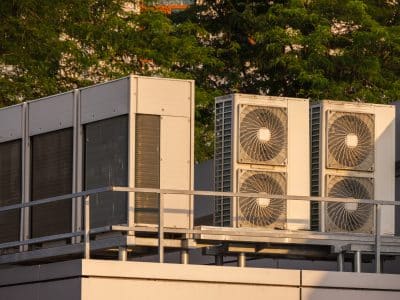
If your rooftop units only get looked at when somebody complains about the temperature, you’re paying for maintenance anyway. You pay for it as emergency labor, as a lost lunch rush, and as a compressor that wore out years early because nobody cleaned the coil it was breathing through.
Commercial HVAC equipment in Denver should be serviced at least twice a year, once before cooling season and once before heating season. High-volume kitchens, breweries, and other sites with heavy grease or process heat need quarterly visits, and filters need a monthly check in between.
At Climate Alignment, we service commercial heating and cooling equipment across Metro Denver, and we tune every rooftop unit we touch for altitude. That is the schedule we put our own maintenance customers on, and the rest of this post explains why and how to build it for your own equipment.
The industry does publish a reference point for service intervals. ANSI/ASHRAE/ACCA Standard 180 sets minimum inspection and maintenance frequencies for commercial HVAC equipment, and it treats those frequencies as the floor rather than the target. A floor written for every climate in the country is a starting point for Denver, not the answer.
If you’d rather build the schedule with someone who already knows Denver equipment, contact us and we’ll help you set one up.
The EnergySense Resilience Center at the University of Illinois System advises spring and fall maintenance for systems that both heat and cool. It also recommends a monthly filter check and cleaning the air side of heating and cooling coils at least every 6 months. (EnergySense)

Why Does Denver Change How Often Commercial HVAC Needs Service?
A generic maintenance interval doesn’t account for altitude, Chinook swings, or hard water, and Denver has all three. Each one loads the equipment in ways a sea-level schedule never planned for.
Denver’s conditions matter because a service interval is really a guess about how fast a unit drifts out of spec. The faster the drift, the shorter the interval has to be before the drift turns into a failure.
The Three Conditions That Shorten the Interval
Thinner air. Denver sits at 5,280 feet, where each cubic foot of air holds roughly 17 percent less mass than it would at the coast. Less air mass means each pass across the condenser coil removes less heat, so the compressor stays on longer to hit the same setpoint. Gas-fired heating sections feel it too, because burners and orifices sized for sea-level air need high-altitude setup to burn properly here.
The Chinook swing. Denver can swing from 30°F to 70°F in a single day. In the shoulder months, that pushes equipment back and forth between heating and cooling instead of letting it settle into one season. The result is more starts, more wear on contactors and ignition parts, and more chances for an economizer to stick in the wrong position.
Hard water. Metro Denver’s mineral-heavy water leaves scale on water-side equipment. On water-cooled condensers, that scale sits between the refrigerant and the water it relies on to carry heat away.
Put together, these conditions don’t make Denver equipment fragile. They make it drift faster, so the gap between visits should be shorter here than a generic checklist suggests, and each visit needs altitude-specific checks.
Step 1: Sort Every Unit by How Hard It Works
The right interval depends less on the brand of the unit than on what it serves. A rooftop unit over a quiet office and a rooftop unit over a fry line aren’t the same machine in practice, even if the nameplates match.
Start by listing every piece of heating and cooling equipment on the site, then place each one in a duty tier. This is the schedule we work from.
| Task or site type | How often | Why |
|---|---|---|
| Full service visit, high-volume kitchens and breweries | Quarterly | Grease, steam, and process heat foul coils and filters between seasonal visits |
| Full service visit, lower-use facilities | Twice a year minimum | One visit before cooling season and one before heating season |
| Filter check | Monthly, replace at least every 3 months | A loaded filter starves the coil and the blower of air |
| Coil cleaning, air side | At least every 6 months | Thin air already limits heat rejection, and a dirty coil compounds it |
| Economizer check | Spring and fall | It does most of its work in cool weather, after a summer of dust |
| Heating section and heat exchanger | Every fall, before first sustained use | Cracks and burner problems are safety issues, not comfort issues |
If a unit sits between two tiers, put it in the busier one. One extra visit a year is small money next to a rooftop unit failing on a Friday night with a full dining room.
Step 2: Book the Cooling Visit Before the First Warm Week
Spring is when you catch everything the winter left behind, before the compressor has to carry a full cooling load. Book this visit early so it happens on your timeline rather than after the first hot afternoon.
A proper cooling-season visit should cover at least these items:
- Condenser coil cleaning: remove the winter’s debris and spring cottonwood before it mats into the fins.
- Refrigerant pressures and charge: read superheat and subcooling against settings calibrated for altitude, not against a sea-level chart.
- Compressor and fan motor amperage: a rising amp draw can be an early sign of a problem.
- Electrical connections and contactors: Chinook cycling adds wear to contact surfaces.
- Condensate drain and pan: a plugged drain on a roof becomes a ceiling stain in the space below.
- Economizer dampers and sensors: confirm the dampers move freely and the controls switch modes when they should.
The written report from this visit becomes your baseline for the season. Keep it, because Step 6 depends on it.
Step 3: Book the Heating Visit Before the First Hard Freeze
After a mild autumn, it’s tempting to let the heating visit slide, and that’s the visit with the highest stakes. A cooling failure costs you comfort and possibly product. A heating failure in January can freeze pipes and close the building, and a cracked heat exchanger is a carbon monoxide risk rather than a performance problem.
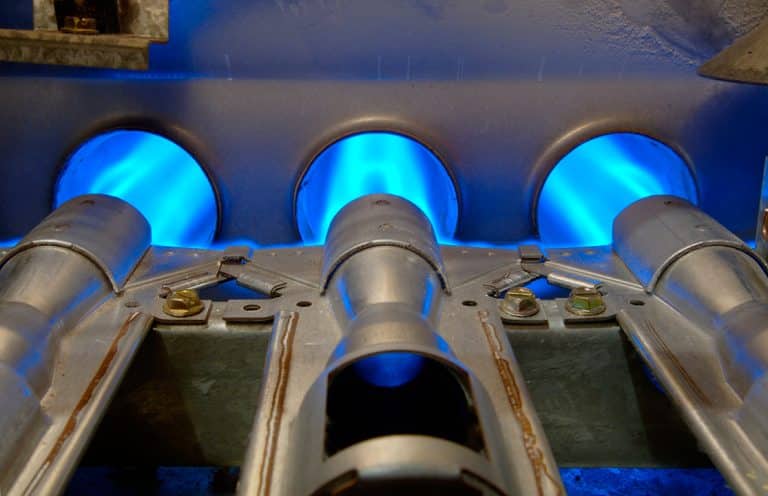
That’s why we treat heat exchanger integrity, including a carbon monoxide risk assessment, as a fixed part of every furnace and boiler check. On gas-fired rooftop units, the visit should also cover burner condition, ignition, flame sensing, gas pressure, and an air-fuel ratio set up for altitude.
The economizer needs a second look in cold weather too, because that’s when it saves the most energy, and an intake filter that was clean in April can be plugged by September. Heat pump rooftop units need one more check (the reversing valve), since a valve stuck in cooling mode is one reason a unit blows cold air in heat mode. Our post on why your RTU is blowing cold air in January covers how that fault is diagnosed.
If the fall visit turns up a cracked exchanger or another heating fault, our commercial heating repair work covers rooftop units, split systems, furnaces, and boilers. A problem found in October is easier to plan around than one found during the first cold snap.
Step 4: Check Filters Monthly Instead of Swapping on a Calendar
A filter schedule should follow what the filter is catching, not the date on the box. The EnergySense guidance is to check every month and replace at least every 3 months, and that’s a sensible ceiling rather than a fixed interval.
Some Denver sites will hit that ceiling long before 3 months. As our commercial refrigeration preventative maintenance guide notes, cottonwood season loads intake filters in days rather than weeks, and kitchens put airborne grease into the return air every service day. A restaurant that replaces filters on a 90-day calendar can end up running on a loaded filter for part of that time.
A loaded filter does more than reduce air quality. It cuts airflow across the coil, and at altitude there’s already less air mass doing the work, so the compressor or burner runs longer to make up the difference. On the heating side, low airflow pushes heat exchanger temperatures up.
The practical fix is a monthly look, logged with the date and the filter condition. If your staff can safely reach the units, they can do it between visits. If not, it belongs in your maintenance agreement.
Step 5: Add Quarterly Visits Where Grease or Process Heat Is Heavy
Two visits a year assumes the equipment stays reasonably clean between them. Some sites don’t allow that.
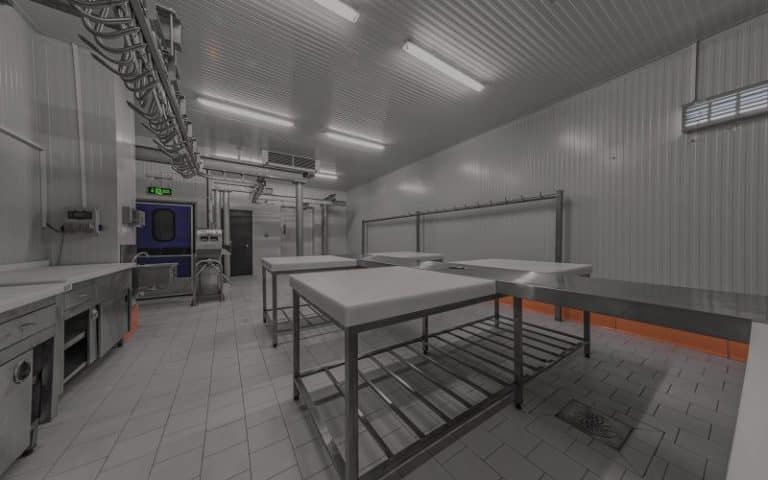
Restaurants and bars put grease and cooking heat into the air around the building, and some of it ends up on the condenser coils of nearby rooftop units. Breweries run hot process loads, glycol systems, and wash-down areas that add heat and moisture to the space. On grocery and convenience sites where refrigeration condensers sit close to rooftop units, one set of equipment rejects heat into the air the other set is trying to use.
On sites like these, a quarterly visit catches fouling before it changes how the system runs. For high-volume kitchens and breweries, quarterly service is our standard schedule, not an upsell.
Our commercial refrigeration maintenance agreements cover rooftop units alongside the refrigeration equipment, so a restaurant or brewery can put both on one schedule. Agreements include priority scheduling and our 24/7 emergency response.
Step 6: Keep a Written Record of Every Visit
A maintenance visit you can’t look back on is almost worthless as a planning tool. The value of a schedule comes from comparing one visit to the last.
Every visit should end with paperwork you can file, and we leave a written findings report after each one of ours. Over a year or two, those reports show you things a single visit never will:
- Amperage trends: a compressor drawing a little more each visit is telling you about wear before it fails.
- Refrigerant readings: a slow change in pressures across visits points to a leak or a restriction.
- Repeat findings: the same part flagged twice means the root problem is still there.
- Warranty evidence: a warranty claim can depend on documented maintenance, and the equipment manual sets those terms.
- Budget timing: a clear record lets you schedule repairs before a breakdown forces the date.
Records matter for refrigerant work too. Anyone opening a refrigerant circuit has to follow EPA refrigerant handling regulations, and a documented service history shows what was done to each system and when.
Work With a Commercial HVAC Team That Tunes for Altitude
A service schedule only works if every visit on it is done for the conditions your equipment actually runs in. A sea-level checklist run at 5,280 feet misses the very things that wear Denver equipment out.
At Climate Alignment, our team builds each customer’s schedule around the real duty on each unit, with quarterly visits where the load demands it. Every visit includes the altitude checks a generic schedule leaves out.
If your units are overdue, or you’ve never had a schedule at all, start before the next season change.
Call our office at (720) 836-9565 and we’ll put a maintenance plan together for your site. For a breakdown in the meantime, our 24/7 emergency line is the same number.
Frequently Asked Questions
How often should commercial HVAC units be serviced in Denver, CO?
At least twice a year, once before cooling season and once before heating season, with quarterly visits for high-volume kitchens, breweries, and other sites with heavy grease or process load. Denver’s thinner air, Chinook temperature swings, and hard water push equipment out of spec faster than a sea-level schedule assumes. Filters should be checked monthly between visits.
How often should commercial HVAC filters be changed?
Check them monthly and replace them at least every 3 months, sooner when they’re visibly loaded. Kitchens, and sites near cottonwood trees in season, can need changes well inside that window. A loaded filter cuts airflow, which makes the compressor and burner work harder.
What is included in a commercial HVAC inspection?
A full inspection covers the condenser coil, refrigerant pressures, compressor and fan motor amperage, electrical connections, the condensate drain, the economizer, filters, and belts. In the fall it adds the heating section, burner and ignition, and heat exchanger integrity. In Denver, refrigerant and gas settings should be checked against altitude-calibrated values.
How to schedule rooftop HVAC unit maintenance?
Schedule the cooling visit in early spring and the heating visit in early fall, before the first warm stretch and the first hard freeze. Add two more visits on sites with grease or process heat. A maintenance agreement locks those dates in so they aren’t pushed back behind emergency calls during peak season.
How to manage commercial HVAC service contracts?
Put every unit on the site under one contract with a set visit frequency for each, and make a written report after every visit a condition of the agreement. Review those reports once a year for repeat findings and rising amperage, since those are early warning signs. On multi-site operations, putting refrigeration and HVAC under one agreement keeps the records in one place.
 What Is the Life Expectancy of a Commercial Freezer in Westminster?
